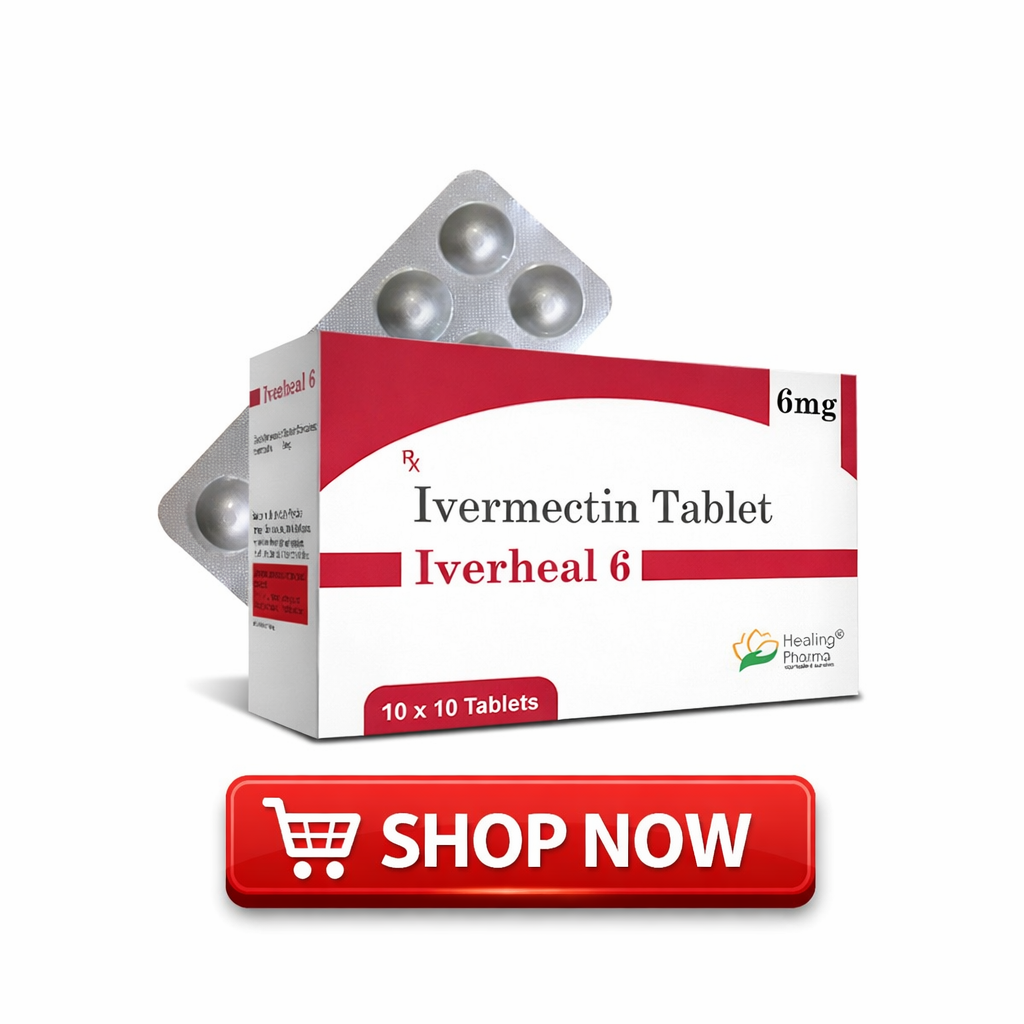
Iverheal 6 mg is a commonly used antiparasitic medicine manufactured by Healing Pharma and contains ivermectin as its active ingredient. As a lower-strength formulation, Iverheal 6 mg is intended for patients who may require a lower dose for the management of parasitic infections. It may be considered when treatment needs to be adjusted according to body weight, infection severity, or individual dosing requirements.
About Ivermectin 6mg Antiparasitic Medication
The 6mg ivermectin formulation provides a lower-dose therapeutic option for certain parasitic infections. Iverheal 6 mg comes in tablet form and dissolves in the gastrointestinal tract, allowing the active ingredient to enter the bloodstream. The medicine affects parasites by interfering with their nervous system, particularly chloride channels that are specific to invertebrates. This strength may be appropriate for patients weighing 15-35 kg or for individuals who require a lower starting dose.
To learn more about how generic ivermectin compares with branded products, you can check this detailed post on Generic Ivermectin Benefits.
Medical Uses of Iverheal Ivermectin Tablets
Iverheal 6 mg is primarily used for:
- Mild cases of scabies: Early Sarcoptes scabiei infestations involving mild skin symptoms and moderate itching.
- Parasitic infections in children: Children and adolescents who require an appropriate weight-based antiparasitic dose.
- Management of filariasis: Lymphatic filariasis caused by Wuchereria bancrofti may require microfilaricidal treatment.
- Cutaneous larva migrans: Hookworm larvae that travel beneath the skin and produce characteristic winding tracks.
- Prophylactic treatment: Prevention in endemic regions for individuals at risk of parasitic exposure.
If you are comparing brand-name and generic medicines, read Generic vs. Brand Name Medications for more information.
How Ivermectin 6mg Works Against Parasitic Infections
Iverheal 6 mg works through a mechanism that interferes with parasite neurotransmission. After ivermectin is taken, the medicine is absorbed from the intestinal tract into the bloodstream and reaches tissues where susceptible parasites may be present.
Ivermectin has a strong affinity for glutamate-gated chloride channels found in the nerve and muscle cells of invertebrates. When ivermectin attaches to these channels, they open and allow chloride ions to enter the cells, causing hyperpolarization of the cell membrane. This process leads to paralysis and eventual death of the parasites.
Ivermectin Dosage and Administration Guidelines
A qualified healthcare professional should determine the appropriate Iverheal 6 mg dose according to:
- Your actual body weight
- The particular parasite causing the infection
- The severity of the infection
- Your age and individual physiology
- Your previous history of antiparasitic treatment
Take the tablets with water on an empty stomach in the morning. Avoid eating for at least one hour before and two hours after taking the medicine.
Ivermectin Side Effects and Adverse Reactions
Common Side Effects:
- Mild to moderate headache
- Gastrointestinal discomfort and occasional cramps
- Temporary dizziness when standing
- Fatigue or tiredness
- Reduced appetite during treatment
- Mild skin irritation or rash
- Muscle pain or stiffness
- Dry mouth
Serious Side Effects (Rare):
- Severe hypersensitivity accompanied by breathing difficulties
- Major changes in liver function
- Confusion or altered mental state
- Toxic epidermal necrolysis
- Sudden decrease in blood pressure
- Vision changes or eye inflammation
- Severe abdominal pain with rigidity
- Abnormal blood cell counts
Mazotti Reactions:
- Fever accompanied by sweating
- Increased heart rate and breathing rate
- Enlarged or painful lymph nodes
- Widespread body aches
Any severe or concerning adverse reaction requires immediate medical attention.
Who Should Avoid Iverheal Ivermectin Treatment
Absolute Contraindications:
- Documented Allergy: A known hypersensitivity to ivermectin or any of the tablet ingredients.
- Presence of Loiasis: Concurrent Loa loa infection can increase the risk of encephalopathy.
- Early Pregnancy: Use during the first trimester should generally be avoided unless medically necessary.
Medical Conditions to Use with Caution:
- Reduced liver function, which may affect drug metabolism
- Reduced kidney function, which can affect elimination
- Previous seizure disorder
- Chronic respiratory conditions
- Immunocompromised status, including HIV
- Older adults with several underlying conditions
- Pediatric patients weighing 15 kg or less
Drugs That Can Interfere:
- Anticoagulants such as warfarin, which may require coagulation monitoring
- Antiseizure medicines that may become less effective
- Sedative medicines that may increase sedation
- Antifungal medicines that can affect drug metabolism
- HIV protease inhibitors that may alter blood concentrations
Ivermectin Storage and Handling Instructions
- Keep the tablets at controlled room temperature (68°F to 77°F).
- Store them in the original blister packaging to reduce moisture exposure.
- Avoid keeping the medicine in bathroom cabinets or near water.
- Protect the tablets from excessive heat and prolonged direct sunlight.
- Keep the medicine away from children and animals.
- Do not use the tablets after the printed expiration date.
- Dispose of unused medicine appropriately as pharmaceutical waste.
Important Safety Information
- Take the medicine on an empty stomach as directed.
- Continue treatment according to the prescription even if symptoms improve.
- Limit or avoid alcohol while using this medicine.
- Depending on the infection, additional doses may be necessary.
- Report any changes in vision or hearing promptly.
- Maintain good personal hygiene.
- Family members may also need evaluation and treatment.
Frequently Asked Questions
1. How quickly does Iverheal 6 mg provide relief?
Ivermectin is absorbed within several hours. Clinical improvement may generally appear within 1-3 days, while complete elimination of parasites can take several days or weeks. Depending on the response, repeat treatment may be required after 7-14 days.
2. Should I take Iverheal 6 mg with meals?
Avoid food around the time of dosing. Taking the medicine on an empty stomach may improve its absorption. Maintain the recommended fasting period before and after taking the tablet.
3. What’s the typical treatment duration?
The duration depends on the type of parasitic infection. Some conditions may require only one dose, while others may need multiple doses at weekly intervals. The prescribing healthcare professional determines the treatment schedule.
4. Can pregnant women use Iverheal 6 mg?
Iverheal 6 mg should be used with particular caution during pregnancy. Ivermectin can cross the placental barrier, so potential fetal risks should be considered against the expected maternal benefits. Alternative treatments should be considered when appropriate.
5. Will Iverheal 12 mg prevent future parasitic infections?
No. Iverheal treats existing parasitic infections but does not provide permanent protection against future infection. Reinfection can occur without appropriate hygiene measures. Environmental cleaning and preventive steps should be followed as recommended by a healthcare professional.
Pingback: What is Iverheal 6mg? Uses, Dosage, Side Effects
Pingback: What is Iverheal 6 mg? Uses, Benefits, Dosage, Precautions & Side Effects