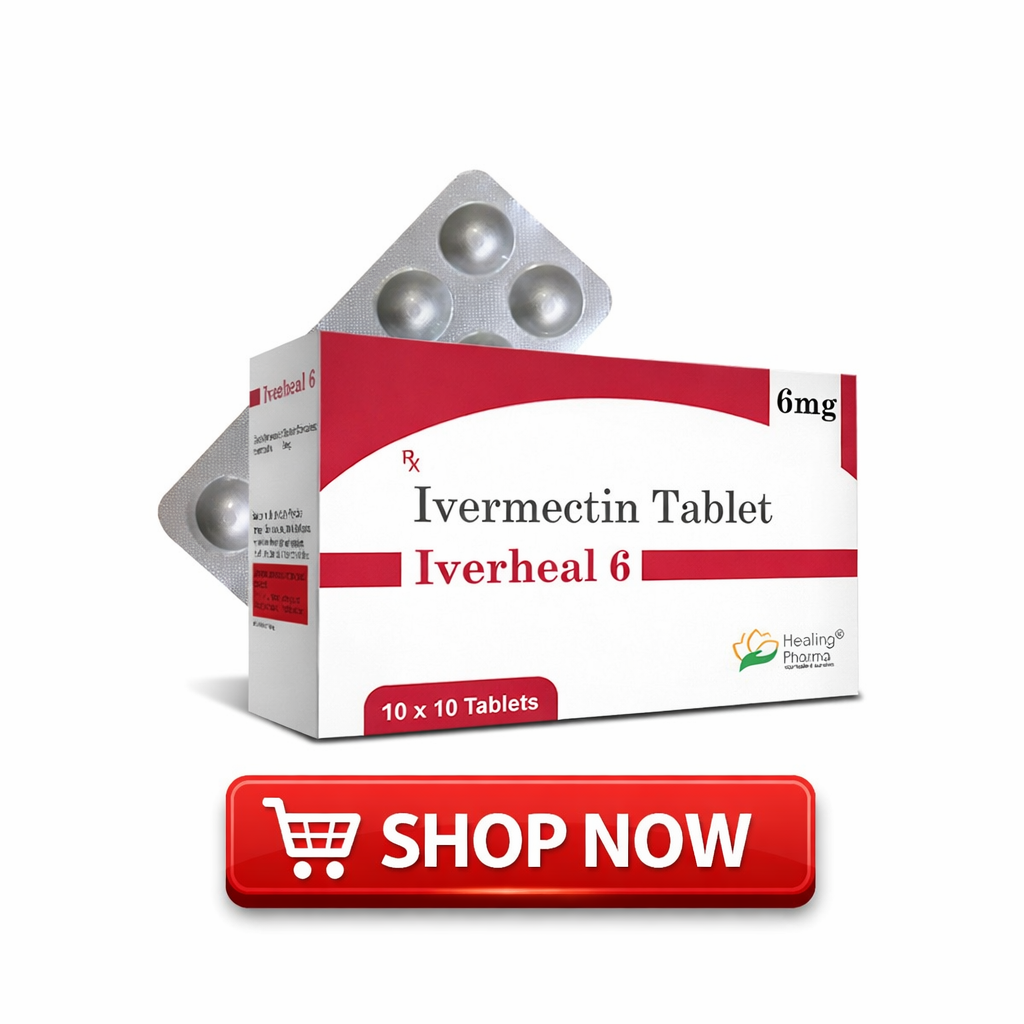
Iverheal 6 mg: Uses, Dosage, Side Effects, Benefits & Safety Information
Iverheal 6 mg is an oral medicine containing ivermectin 6 mg, an antiparasitic medication used to treat certain parasitic infections. Ivermectin works by interfering with the nerve and muscle function of susceptible parasites, helping the body eliminate them.
Iverheal 6 mg should be used only for an appropriate medical condition and according to the dosage prescribed by a healthcare professional. The correct dose depends on factors such as the type of infection, body weight, age, medical history, and other medicines being taken.
This guide explains Iverheal 6 mg uses, how it works, dosage considerations, side effects, precautions, interactions, storage, and frequently asked questions.
What Is Iverheal 6 mg?
Iverheal 6 mg is a tablet containing 6 mg of ivermectin. Ivermectin belongs to a group of medicines called antiparasitic agents and is effective against certain worms and other parasites.
Depending on the infection, ivermectin may be prescribed for conditions such as strongyloidiasis and onchocerciasis. It may also be used orally for scabies in certain situations under medical supervision. CDC guidance lists ivermectin as first-line treatment for strongyloidiasis and as the treatment of choice for onchocerciasis.
A 6 mg tablet does not mean that every patient should take one tablet. Ivermectin dosing is generally calculated according to body weight and the infection being treated.
Iverheal 6 mg Composition
The active ingredient in Iverheal 6 mg is:
- Ivermectin – 6 mg
- Dosage form: Oral tablet
- Drug class: Antiparasitic
- Strength: 6 mg
The inactive ingredients may vary according to the manufacturer and product formulation.
What Is Iverheal 6 mg Used For?
Iverheal 6 mg may be prescribed to treat certain parasitic infections. The most appropriate treatment depends on the parasite involved and the patient’s medical condition.
1. Strongyloidiasis
Strongyloidiasis is an intestinal infection caused by the parasitic roundworm Strongyloides stercoralis. Some people have no symptoms, while others may develop abdominal discomfort, diarrhea, rash, or other digestive symptoms.
Ivermectin is a first-line treatment for strongyloidiasis. CDC guidance lists oral ivermectin at a weight-based dose, commonly 200 micrograms/kg for 1–2 days, depending on the clinical situation.
2. Onchocerciasis
Onchocerciasis, commonly known as river blindness, is caused by Onchocerca volvulus. It can affect the skin and eyes and may cause itching, skin changes, and vision problems.
Ivermectin is used to reduce the number of microfilariae, the immature forms of the parasite. It does not kill adult worms. CDC guidance lists a weight-based dose of 150 micrograms/kg for treatment.
3. Scabies
Scabies is caused by infestation with the human itch mite Sarcoptes scabiei. It commonly causes intense itching and a characteristic skin rash.
Oral ivermectin can be used for scabies in certain circumstances. In the United States, oral ivermectin is not FDA-approved specifically for scabies, although CDC guidance recognizes it as an oral treatment option. For classic scabies, CDC recommends weight-based ivermectin doses repeated according to the treatment schedule.
4. Other Parasitic Infections
Ivermectin may also be used for some other parasitic conditions in specific circumstances. However, it should not be assumed that Iverheal 6 mg is appropriate for every worm, parasite, or skin condition.
A healthcare professional should identify the infection before treatment is started.
How Does Iverheal 6 mg Work?
Ivermectin acts on specific glutamate-gated chloride channels found in susceptible parasites. By increasing chloride ion movement, it interferes with the parasite’s nerve and muscle activity.
This causes paralysis of the parasite and helps eliminate it from the body.
The medicine does not work by simply killing every organism in the digestive system. Its activity is specific to susceptible parasites, which is why proper diagnosis is important before treatment.
Iverheal 6 mg Dosage
The correct Iverheal 6 mg dosage depends on:
- The type of parasitic infection
- Body weight
- Age
- Medical history
- Other medicines being used
- The patient’s response to treatment
There is no single daily dose that is appropriate for everyone.
For example, CDC guidance lists ivermectin at approximately 200 micrograms/kg for certain cases of strongyloidiasis, while the recommended dose for onchocerciasis is approximately 150 micrograms/kg. Scabies treatment also uses weight-based dosing.
Therefore, a 6 mg tablet should not automatically be taken once or twice daily.
How to Take Iverheal 6 mg
Take Iverheal exactly as directed by your healthcare professional.
- Swallow the tablet with water.
- Follow the prescribed dose and treatment schedule.
- Do not take additional tablets to make the medicine work faster.
- Do not repeat treatment without medical advice.
- Follow the food instructions given for your specific condition.
Food instructions can vary depending on the indication. For example, CDC scabies guidance recommends oral ivermectin with food, while ivermectin recommendations for some other parasitic infections may specify taking it with water on an empty stomach.
What If You Miss a Dose?
If you miss a scheduled dose, follow your doctor’s instructions.
Do not take two doses together unless a healthcare professional specifically tells you to do so. If you are unsure whether to take the missed dose, contact your doctor or pharmacist.
Because ivermectin treatment schedules vary considerably between infections, the appropriate response to a missed dose depends on the condition being treated.
What Happens If You Take Too Much Iverheal 6 mg?
Taking more ivermectin than prescribed can increase the risk of adverse effects.
Do not take extra tablets because you believe a higher dose will produce faster results. If you accidentally take substantially more than prescribed or develop concerning symptoms after taking too much, seek medical advice promptly.
Possible symptoms of excessive ivermectin exposure may include dizziness, nausea, vomiting, weakness, confusion, problems with coordination, or other nervous-system effects.
Iverheal 6 mg Side Effects
Like other medicines, Iverheal 6 mg can cause side effects. Many are mild and temporary, but some symptoms require medical attention.
Common Side Effects
Possible side effects may include:
- Headache
- Dizziness
- Nausea
- Diarrhea
- Abdominal discomfort
- Fatigue
- Weakness
- Skin rash or itching
Some reactions may be related to the death of parasites rather than a direct effect of the medicine.
Side Effects During Onchocerciasis Treatment
When ivermectin is used for onchocerciasis, the death of microfilariae can produce reactions such as itching, rash, fever, muscle or joint discomfort, swollen or tender lymph nodes, and eye irritation.
These reactions are sometimes associated with the body’s response to dying microfilariae.
Serious Side Effects
Seek urgent medical attention if you experience symptoms such as:
- Difficulty breathing
- Severe allergic reaction
- Severe skin rash or skin peeling
- Fainting or severe weakness
- Confusion
- Loss of coordination
- Seizures
- Severe vision or eye problems
- Other sudden or serious neurological symptoms
Iverheal 6 mg Precautions
Before taking Iverheal 6 mg, tell your doctor about your complete medical history.
Pregnancy
Ivermectin should not be self-used during pregnancy. Available pregnancy data are limited, and treatment decisions should be made by a healthcare professional after considering the potential benefits and risks. CDC guidance lists pregnancy among the relative contraindications for ivermectin treatment of strongyloidiasis.
Breastfeeding
Tell your doctor if you are breastfeeding. The decision to use ivermectin while nursing should be based on the specific infection, maternal health, and available safety information.
Children
The safety of ivermectin in children weighing less than 15 kg has not been established for some uses. CDC guidance lists body weight below 15 kg as a precaution for several ivermectin indications.
Do not give Iverheal 6 mg to a child without medical advice.
Liver Problems
Tell your doctor if you have liver disease or abnormal liver function. Your healthcare professional can determine whether ivermectin is appropriate and whether additional monitoring is necessary.
Loa loa Infection
People who have lived in or traveled to areas where Loa loa (loiasis) occurs should tell their doctor before taking ivermectin.
Ivermectin can cause severe neurological reactions in people with certain levels of Loa loa infection. CDC specifically recommends expert consultation before treating onchocerciasis in patients with possible loiasis.
Iverheal 6 mg Drug Interactions
Tell your doctor about every medicine, supplement, and over-the-counter product you take.
Ivermectin may interact with certain medicines, and some medications can affect how it works or increase the risk of adverse effects.
Your doctor may need to review medicines such as:
- Anticoagulants such as warfarin
- Certain antibiotics
- Other antiparasitic medicines
- Medicines that affect the central nervous system
- Prescription and non-prescription supplements
Do not stop a prescribed medicine simply because you are starting Iverheal. Ask your doctor or pharmacist about possible interactions.
Can You Drink Alcohol With Iverheal 6 mg?
It is best to discuss alcohol use with your healthcare professional while taking ivermectin.
Iverheal can cause dizziness or other unwanted effects in some people. Alcohol may make dizziness, impaired alertness, or other side effects more noticeable.
Avoid driving or operating machinery if you feel dizzy, weak, or unusually tired after taking the medicine.
Iverheal 6 mg and Scabies
Ivermectin can be prescribed as an oral treatment for scabies in certain circumstances. CDC guidance states that oral ivermectin can have similar efficacy to topical permethrin for classic scabies, but it is not FDA-approved specifically for scabies in the United States.
Because ivermectin has limited activity against scabies eggs, treatment generally involves more than one dose when oral ivermectin is selected.
Scabies can also spread among household members and close contacts. Washing bedding, clothing, and towels appropriately and avoiding close skin-to-skin contact until treatment is completed can help reduce transmission.
Does Iverheal 6 mg Treat Lice?
Ivermectin has activity against certain lice infestations, but the appropriate formulation and dosing depend on the type of lice involved.
Do not take Iverheal 6 mg simply because you have itching. Itching can have many causes, and the underlying condition should be identified before treatment.
How Long Does Iverheal 6 mg Take to Work?
The time required for improvement varies according to the infection and the individual.
Ivermectin begins acting against susceptible parasites after it is absorbed, but symptoms may not disappear immediately. Some symptoms can continue for a period after treatment because inflammation or the body’s immune response may persist even after parasites are eliminated.
For scabies, itching can continue for several weeks after successful treatment. CDC advises medical reassessment when itching continues beyond 2–4 weeks or when new burrows or pimple-like rashes appear.
Iverheal 6 mg Benefits
When appropriately prescribed, Iverheal 6 mg may offer several benefits:
- Targets susceptible parasites
- Available as an oral tablet
- Used for specific intestinal and other parasitic infections
- Can be useful when oral antiparasitic therapy is appropriate
- Has established clinical use for conditions such as strongyloidiasis and onchocerciasis
The benefits depend on using the correct medicine for the correct parasite and following the prescribed treatment plan.
What Should You Avoid While Taking Iverheal 6 mg?
While taking Iverheal 6 mg:
- Do not take more than prescribed.
- Do not repeat a dose without medical advice.
- Do not share the medicine with another person.
- Avoid alcohol if it increases dizziness or other side effects.
- Do not drive if you feel dizzy or impaired.
- Tell your doctor about all medicines and supplements you use.
- Do not use ivermectin for an undiagnosed condition.
Ivermectin should also not be used as a general treatment for viral infections without an approved indication. It should not be used to prevent or treat COVID-19 outside appropriate clinical or regulatory settings.
Iverheal 6 mg Storage
Store Iverheal 6 mg according to the instructions provided on the product packaging.
In general:
- Keep tablets in their original packaging.
- Store them in a cool, dry place.
- Protect them from excessive heat and moisture.
- Keep them away from direct sunlight.
- Keep them out of the reach of children and pets.
- Do not use tablets that are damaged or past their expiry date.
Frequently Asked Questions About Iverheal 6 mg
What is Iverheal 6 mg used for?
Iverheal 6 mg contains ivermectin and is used to treat certain parasitic infections. Common medically established uses include strongyloidiasis and onchocerciasis, while oral ivermectin may also be prescribed for scabies in appropriate circumstances.
Can I take Iverheal 6 mg every day?
Do not take Iverheal 6 mg every day unless your doctor has specifically prescribed that schedule. Ivermectin dosing is based on the infection and body weight, and many treatments involve a single dose or a specific number of doses rather than daily treatment.
Is Iverheal 6 mg effective for scabies?
Oral ivermectin can be effective for scabies when prescribed appropriately. CDC guidance recommends weight-based treatment and repeated dosing because ivermectin has limited ovicidal activity. In the United States, oral ivermectin is not FDA-approved specifically for scabies.
Can I take Iverheal 6 mg with food?
Food instructions depend on the condition being treated. For classic scabies, CDC recommends oral ivermectin with food, while some other ivermectin treatment recommendations specify administration with water on an empty stomach. Follow the instructions given for your specific treatment.
Can children take Iverheal 6 mg?
Children should only receive ivermectin under medical supervision. Safety has not been established for children weighing less than 15 kg for several uses.
Can I take Iverheal 6 mg during pregnancy?
Do not take Iverheal during pregnancy without medical advice. Your doctor should determine whether treatment is necessary and whether the potential benefits outweigh the risks.
Can I take Iverheal 6 mg while breastfeeding?
Speak with your doctor before taking ivermectin while breastfeeding. Your healthcare professional can consider the infection, treatment alternatives, and available safety information.
What are the common side effects of Iverheal 6 mg?
Commonly reported effects can include headache, dizziness, nausea, diarrhea, abdominal discomfort, weakness, fatigue, itching, or rash. Side effects may vary according to the infection being treated.
What happens if I miss an Iverheal 6 mg dose?
Do not automatically take a double dose. Because ivermectin treatment schedules vary by condition, ask your doctor or pharmacist how to handle a missed dose.
Can I take Iverheal 6 mg with other medicines?
Potential interactions are possible. Tell your doctor about all prescription medicines, over-the-counter products, and supplements before starting treatment.
Does Iverheal 6 mg treat all types of worms?
No. Ivermectin is active against certain parasites but is not an appropriate treatment for every type of worm or parasitic infection. Proper diagnosis is important before treatment.
Does Iverheal 6 mg cure river blindness?
Ivermectin is the treatment of choice for onchocerciasis because it kills microfilariae and reduces the symptoms and complications caused by them. It does not kill adult worms.
Can I buy Iverheal 6 mg without a prescription?
Prescription requirements vary by country. Iverheal should be used only after a healthcare professional determines that ivermectin is appropriate for your condition.
Can I take Iverheal 6 mg for COVID-19?
Ivermectin should not be used to prevent or treat COVID-19 unless it is specifically authorized or prescribed in an appropriate clinical setting. Iverheal 6 mg is an antiparasitic medicine and should not be self-used for viral infections.
How should Iverheal 6 mg be stored?
Keep the tablets in their original packaging in a cool, dry place away from direct sunlight, moisture, children, and pets. Follow the storage instructions on the product label.
Conclusion
Iverheal 6 mg contains ivermectin, an antiparasitic medicine used to treat specific parasitic infections. It has established clinical applications for conditions such as strongyloidiasis and onchocerciasis, and oral ivermectin may also be used for scabies under appropriate medical guidance.
The correct ivermectin dose is not determined simply by the tablet strength. It depends on body weight, the infection being treated, and individual patient factors. Therefore, Iverheal 6 mg should be taken only according to professional medical advice.
If you have persistent symptoms, experience serious side effects, are pregnant or breastfeeding, have significant medical conditions, or take other medicines, consult a healthcare professional before using Iverheal 6 mg.